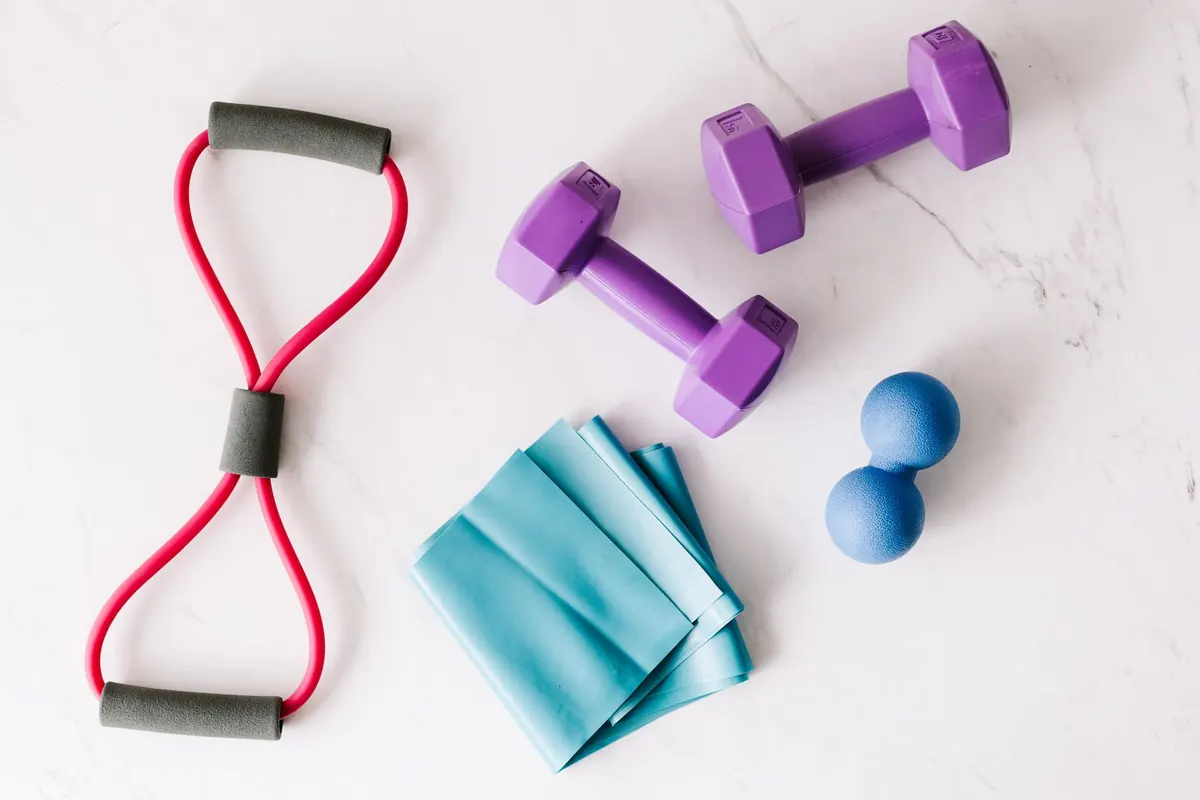
The 4-Week Beginner Strength Workout Plan for New Gym-Goers

The first four weeks in a gym aren't about getting strong. They're about learning — how the equipment works, what a hard-but-manageable set feels like, and how to show up three times a week without dreading it. Get that part right and the strength comes easily. Rush it and you spend the next month nursing a sore lower back.
This plan is for anyone who has never trained seriously, or who is coming back after a long break. Three full-body sessions a week, about 45 minutes each, using dumbbells, cables, and machines. Nothing exotic, and every exercise earns its place.
Pick three days you can genuinely keep. Monday, Wednesday, Friday suits most people because the rest days fall evenly; Tuesday, Thursday, Saturday works just as well. Two consecutive training days are fine occasionally. Three in a row is not.
Bring a way to record your sets, whether that's phone notes or a small notebook. Writing down the weight and reps for every set is the habit that separates people who progress from people who wander between machines for an hour.
Each session trains the whole body but leans on different movements, so no pattern gets hammered twice in a week. Rest 60 to 90 seconds between upper-body sets, and up to two minutes on squats, deadlifts, and leg press.
Run A, B, and C across your three days, then repeat that order the following week. The exercises stay the same for all four weeks on purpose: repeating a movement is how you learn it and how you measure progress.
Progressive overload sounds technical. It means doing slightly more than last time. Weight, reps, or sets — one of those goes up.
Start lighter than your ego suggests. Choose a weight you could lift three or four reps past the target. If the plan says 10 reps and you finish the set thinking "I had 14 in me," that's the right starting point. You'll be working genuinely hard by week three.
Then apply one rule:
Log it all. Your memory of last week's numbers is less reliable than you think.
Filming one set on your phone is one of the quickest ways to fix a squat or a row. Compare what you felt with what you see.
Five minutes of easy cardio, then a light set or two of your first exercise. That's the entire warm-up. Save stretching for afterwards or for a rest day.
Between sessions, sleep does more for you than any supplement. Keep a steady bedtime, eat protein with each meal, and drink water through the day. Rest days aren't wasted days — walk, stretch, move a little.
Expect soreness in week one, especially in your legs after the first squat session. Soreness that fades within a few days is normal. Sharp pain, joint pain, or pain that lingers is a signal to stop and get it checked. If you have an injury or a health condition, or you're pregnant, speak to a doctor or physiotherapist before starting, and ask a trainer to watch your form on your first session or two.
Four weeks gives you twelve sessions, a log full of numbers, and a realistic sense of how hard you can push. Keep the same three-day structure and keep adding weight for another four weeks. If you want more, add a set to your main lifts, or swap one machine movement for a barbell version — goblet squat to back squat, dumbbell row to barbell row — once your form is solid.
Don't rebuild the plan from scratch every month. Consistency beats novelty, and the boring version of this plan is the one that works.
Photo: Ketut Subiyanto / Pexels